
Uncategorized
Improve Heating System Efficiency
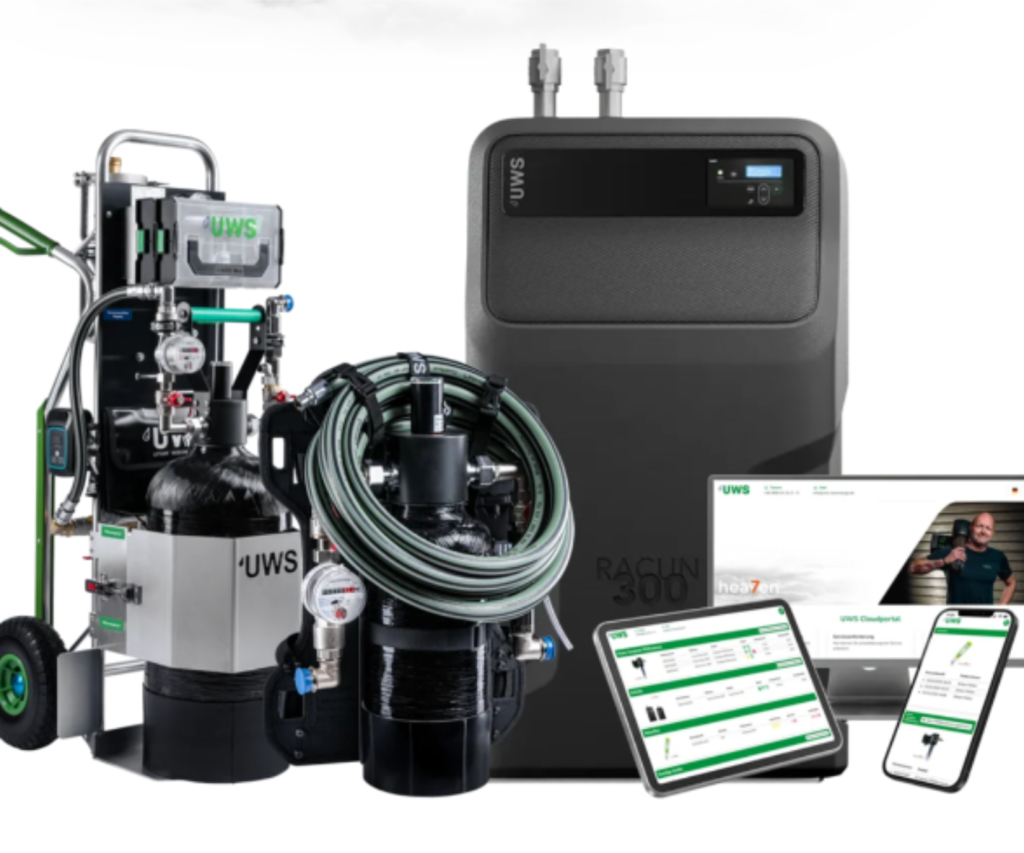
Heating Water Quality Is Becoming a Key Efficiency Factor in Modern Heating Systems
Modern heating systems are becoming more efficient, more compact, and more technically advanced. Heat pumps, condensing boilers, hybrid systems, and low-temperature heating installations can deliver excellent performance, but their efficiency depends on more than the heat generator alone.
One factor that is still often underestimated is heating water quality.
Clean, properly treated system water can support efficient heat transfer, protect sensitive components, reduce operational problems, and contribute to the long-term reliability of the entire heating system.
Efficiency Depends on the Entire Heating System
When an existing heating system is modernized, attention is usually focused on the new heat generator. However, replacing a boiler with a heat pump or installing a high-efficiency heating unit does not automatically mean that the complete system will operate efficiently.
The condition of the existing pipework, radiators, underfloor heating circuits, valves, pumps, heat exchangers, and system water can have a significant impact on overall performance.
Older heating systems may contain deposits accumulated over many years of operation, including:
- corrosion products,
- magnetite,
- sludge,
- suspended particles,
- scale and mineral deposits,
- residues from previous installation or repair work.
Installing a modern heat generator into a contaminated system can therefore create technical and operational problems even when the new equipment itself has been correctly selected and installed.
Why Modern Heating Technology Is More Sensitive
Modern heating systems often use compact heat exchangers, electronically controlled circulation pumps, regulating valves, sensors, and relatively narrow internal flow paths.
These components are designed for efficient operation but can also be more sensitive to poor system water conditions.
Magnetite and other suspended particles may accumulate inside heat exchangers, valves, pumps, and hydraulic components. Deposits can restrict flow and negatively affect heat transfer.
Possible consequences include reduced heating performance, increased energy consumption, pump problems, blocked valves, uneven heat distribution, noise, and premature component failure.
For this reason, heating water quality should be considered part of the technical design and commissioning process rather than an optional maintenance measure.
Heating Water Treatment and Filtration
Depending on the condition and design of the installation, professional system treatment may involve several measures.
Existing systems can be flushed to remove accumulated contamination before new equipment is connected. Filling and make-up water can be prepared according to the technical requirements of the heating system and component manufacturers.
Magnetic separators and dirt filters can help continuously remove circulating particles and magnetite during operation.
In larger or heavily contaminated systems, additional filtration or temporary system cleaning equipment may be appropriate.
The correct solution always depends on factors such as system volume, materials, water characteristics, operating temperatures, system age, contamination level, and manufacturer requirements.
Particularly Important When Installing Heat Pumps
Heating water quality becomes especially relevant when an existing heating system is converted to a heat pump.
Heat pumps generally operate with lower flow temperatures than traditional boiler systems. To achieve good seasonal efficiency, the system must transfer and distribute heat effectively throughout the building.
Restricted flow, contaminated heat exchangers, blocked valves, poorly balanced circuits, or inefficient circulation can reduce system performance.
This means that a heat pump retrofit should not be treated simply as a replacement of one heat generator with another.
The existing hydraulic system should also be evaluated.
A professional modernization may therefore include system inspection, flushing where necessary, heating water treatment, filtration, hydraulic balancing, pump optimization, and correct commissioning.
Protecting Pumps, Valves and Heat Exchangers
Magnetite is particularly relevant in closed heating systems containing steel and other ferrous materials.
Fine magnetic particles can circulate with the heating water and accumulate in areas with magnetic fields, restricted flow, or small internal passages.
Modern high-efficiency pumps can be especially sensitive to this contamination.
A suitable magnetic dirt separator can therefore provide an additional level of protection by continuously removing magnetic particles from the circulating water.
However, installing a filter should not be considered a substitute for identifying the underlying condition of the system.
If an installation contains large quantities of sludge or corrosion products, the cause and extent of contamination should be evaluated before new equipment is commissioned.
Heating Water Quality Can Affect Energy Performance
Deposits and contamination can reduce heat transfer and increase hydraulic resistance.
The circulation pump may need to operate harder, heat exchangers may transfer energy less effectively, and some parts of the heating system may receive insufficient flow.
The result can be higher operating costs despite having a modern and theoretically efficient heat generator.
There is no universal percentage of energy savings that can be guaranteed from heating water treatment alone. The actual improvement depends heavily on the initial condition of the system.
In a clean and properly functioning installation, the effect may be limited. In a heavily contaminated system, cleaning and hydraulic optimization can produce a noticeable improvement.
For contractors, this distinction is important: system water treatment should be recommended based on technical condition and system requirements, not on unrealistic energy-saving promises.
A Better Approach to Heating Modernization
For HVAC professionals, heating water quality creates an opportunity to provide a more complete modernization service.
Instead of focusing only on the heat generator, the complete system can be evaluated:
Heat generator → system water → hydraulics → pumps → heat distribution → controls → commissioning
This approach can help identify problems before they affect the new equipment and allows the heating system to be optimized as a complete technical unit.
A modernization project can therefore include:
- inspection of the existing heating system,
- assessment of system water condition,
- system flushing where technically necessary,
- preparation of filling and make-up water,
- installation of dirt and magnetic separators,
- inspection of circulation pumps,
- hydraulic balancing,
- verification of operating pressures and temperatures,
- documentation of commissioning values,
- periodic inspection and maintenance.
Water Quality Is Part of System Quality
The efficiency of a modern heating system is determined by more than the efficiency rating of the heat generator.
Heat pumps, condensing boilers, and hybrid systems operate as part of a hydraulic network consisting of pipes, pumps, valves, heat exchangers, emitters, controls, and heating water.
If one part of that system performs poorly, the performance of the entire installation can suffer.
Heating water treatment, filtration, hydraulic optimization, and proper commissioning should therefore be considered essential elements of professional heating system design and modernization.
For contractors, the message is simple:
Do not modernize only the heat generator. Modernize the system.
Clean and correctly treated heating water can help protect components, maintain reliable flow, support efficient heat transfer, and create the operating conditions required for modern heating technology to perform as intended.
